
For most Lahore households, a UPS or inverter is not a luxury. When the power goes during a June afternoon or a winter night, it keeps the fans, lights, Wi-Fi router and perhaps a TV running until the supply returns. But many families only think about their UPS when the backup time suddenly drops or the battery starts to swell.
This guide covers how to choose a sensible size, what a good installation looks like, and how to look after the battery so it lasts. It also explains where a voltage stabilizer fits in, and which jobs should always be left to a trained technician.
Size your UPS by adding up the watts of only the essentials you want to run, such as fans, lights and the router, and leave headroom above that load. Have it installed by a trained technician in a cool, ventilated spot with proper wiring and earthing. For battery life, avoid running it flat, keep it cool, keep terminals clean and, for flooded batteries, top up with distilled water after charging.
UPS, inverter, hybrid: what people in Pakistan usually mean
In everyday use, "UPS" in Pakistan usually means a home inverter-charger connected to one or more batteries. When mains power is on, it charges the battery. When the power goes, it switches over and runs selected circuits from the battery. Strictly speaking, computer-style UPS units and home inverters are different products, but the basic idea is the same.
A few terms you will hear:
- Pure sine wave: output that is close to normal mains power. It is generally kinder to fans, motors and sensitive electronics, and fans tend to run more quietly.
- Modified or square wave: a cheaper output type. Some appliances may hum, run warmer or not work properly on it.
- Hybrid or solar inverter: an inverter that can also take power from solar panels. Many Lahore homes now use these. Battery care is similar, but settings and wiring are more involved.
Choosing the right size
Getting the size right matters more than the brand name. A unit that is too small will overload and shut off. A battery that is too small will run flat quickly and wear out early.
Step 1: List what you want to run
Decide what must work during load-shedding. For most homes this is ceiling fans, some lights, the router and a phone charger. Some people add a TV, a laptop or a small water dispenser. Air conditioners, irons, geysers, heaters, microwaves and water motors are usually not practical on a normal home UPS.
Step 2: Add up the wattage
Check the rating label on each appliance or its manual and add the watts together. For example, if the fans, lights and router you want to run add up to 400 watts, that is your running load.
Step 3: Leave headroom
Inverters are often rated in VA rather than watts, and the real wattage they can supply is lower than the VA figure. Motors such as fans also draw more for a moment when they start. A technician will usually suggest a unit with comfortable headroom above your running load rather than one that only just covers it.
Step 4: Match the battery to the backup time you need
Backup time depends on the battery's capacity (in amp-hours), the battery voltage, the load and the battery's age and condition. Halving the load will give noticeably longer backup. If your load-shedding schedule is long, discuss battery capacity with the technician rather than only the inverter size.
Battery types compared
| Battery type | Maintenance | Ventilation | Things to know |
|---|---|---|---|
| Flooded lead-acid (including tubular) | Needs regular water level checks and top-ups | Needs good ventilation; gives off gas while charging | Common and repairable, but neglect shortens its life quickly |
| Sealed lead-acid (often sold as "dry" or maintenance-free) | No water top-up | Still keep in a ventilated place | Easier to live with; sensitive to heat and deep discharge |
| Lithium (often LiFePO4) | Very little routine maintenance | Keep cool and ventilated | Higher upfront cost; must be paired with a compatible inverter and charging settings |
What a good installation looks like
A UPS installation is electrical work on your house wiring. It should be done by someone trained, not as a DIY project. Here is what to look for:
- Sensible location. A ventilated spot, away from direct sun, water, the kitchen stove and gas lines. Not inside a closed cupboard and not in a bedroom if you can avoid it.
- A stand or tray for the battery. Batteries should not sit directly in a damp corner, and flooded batteries can leak acid.
- Proper separate wiring. The UPS should feed selected circuits through correct wiring and a proper changeover arrangement, not a tangle of extension boards.
- Correct cable sizes and tight terminals. Thin or loose battery cables get hot. Terminals should be clean and firmly tightened.
- Protection. Appropriate breakers or fuses on the battery and output sides, as recommended by the inverter's manual.
- Earthing. The installer should connect the system to the house earth.
- Clear labelling. You should know which sockets and fans are on UPS and which are not.
Never connect the UPS output back into a normal wall socket or the main supply. Back-feeding can be dangerous for anyone working on the lines and can damage equipment. If you want to book this work, see UPS / Inverter Installation.
Battery care: the habits that make the biggest difference
Most early UPS failures in homes come down to the battery. A few simple habits help:
Check water levels in flooded batteries
If you have a flooded or tubular battery, check the level regularly, more often in summer when water evaporates faster. Use distilled or de-ionised water, never acid and never ordinary drinking water unless the manufacturer says it is acceptable. The educational website Battery University advises topping up to the correct level after charging, not before, because filling a battery before charging can cause it to overflow.
Keep it ventilated
Lead-acid batteries give off hydrogen gas while charging, and Battery University notes that this gas is explosive. Keep the battery in a well-ventilated area and never smoke, light a match or use a lighter near it.
Keep it cool
Heat shortens battery life. In Lahore, a battery placed in a hot storeroom, under a staircase with no air flow, or near a west-facing wall in summer will usually wear out faster than one in a cooler, airier place.
Avoid running it completely flat
Deep discharges wear lead-acid batteries. If the UPS often runs until it shuts off, reduce the load during load-shedding (for example, turn off extra lights and the TV) or ask a technician whether the battery is too small for your needs.
Keep terminals clean and tight
White or green powder on the terminals is corrosion. It should be cleaned off with the system switched off, ideally by a technician. Loose or corroded terminals can heat up and reduce backup time.
Get it checked
A periodic check, such as before summer, can catch weak cells, loose connections and wrong charger settings. You can book a UPS Battery Check & Maintenance visit.
Warning signs: stop and call a technician
- The battery case is swollen, cracked or leaking
- A strong rotten-egg smell near the battery
- The battery or cables feel hot
- Backup time has dropped sharply
- The UPS beeps constantly, shows fault codes or keeps switching between modes
- Burn marks, melted plastic or a burning smell near the UPS or wiring
If you notice any of these, switch the UPS off if it is safe to do so, keep people away from the battery and get professional help. Battery acid can burn skin and eyes, so do not try to open, tilt or move a damaged battery yourself.
Where a voltage stabilizer fits in
A UPS keeps power on during outages. A voltage stabilizer does a different job: it keeps the voltage reaching an appliance within a safer range when the mains supply is too low or too high. Lahore households often use stabilizers for refrigerators, deep freezers and some air conditioners.
Some newer appliances are designed to handle a wider voltage range, so check the manual before buying one. If you do need a stabilizer, make sure its rating suits the appliance, and that it is installed with proper wiring rather than from an overloaded socket. See Voltage Stabilizer Installation.
Disposing of old batteries
Old lead-acid batteries contain lead and acid. Do not break them open or leave them in the rubbish. Ask your battery dealer or technician about returning the old battery when you buy a new one.
A quick UPS care checklist
- Only essential loads on UPS during load-shedding
- Battery in a cool, ventilated place, on a stand
- Water level checked regularly (flooded batteries only), topped up after charging with distilled water
- Terminals clean, dry and tight
- No smoking or flames near the battery
- Professional check before summer or when backup time drops
Frequently asked questions
How long should a UPS battery last?
It depends on the battery type, quality, how deeply it is discharged, how hot the room is and how well it is maintained. Batteries kept cool, not run completely flat and, for flooded types, kept topped up with distilled water generally last longer. If backup time drops sharply, get the battery checked.
Can I run an AC on a home UPS?
Usually not on a normal home UPS. Air conditioners draw far more power than fans and lights, and would need a much larger inverter and battery bank. Ask a technician to assess your load if you are considering it, and check the AC manufacturer's guidance.
What water should I put in my UPS battery?
Use distilled or de-ionised water, never acid. Only flooded batteries need topping up; sealed or maintenance-free batteries should not be opened. Top up to the correct level after charging rather than before, to avoid overflow.
Why does my UPS battery smell like rotten eggs?
A rotten-egg smell can mean the battery is being overcharged or is failing. Switch the UPS off if it is safe to do so, ventilate the area, keep people away and get the battery and charger checked by a technician. Do not try to open or move a damaged battery yourself.
Do I need a voltage stabilizer if I have a UPS?
They do different jobs. A UPS keeps selected circuits running during power cuts, while a stabilizer protects appliances such as fridges from low or high voltage on mains power. Whether you need one depends on your appliance and supply, so check the appliance manual or ask a technician.
Book UPS and battery help in Lahore
A well-installed UPS with a cared-for battery makes load-shedding much easier to live with. If you need a new installation, a battery check or a stabilizer, browse Electrical Services on MrHazir, check the current price on the service page and book a visit.
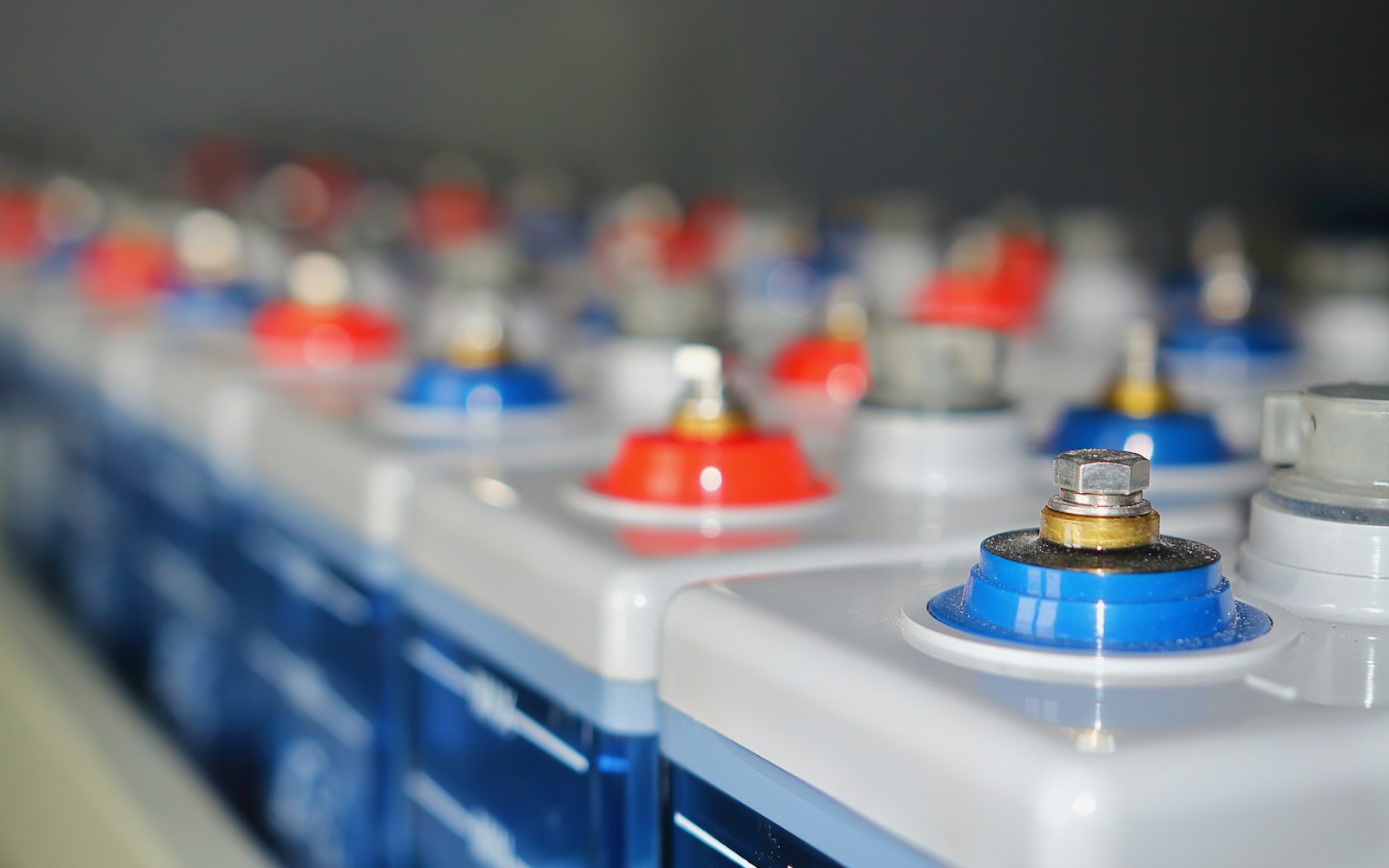
Photo: Vanya Smythe on Unsplash