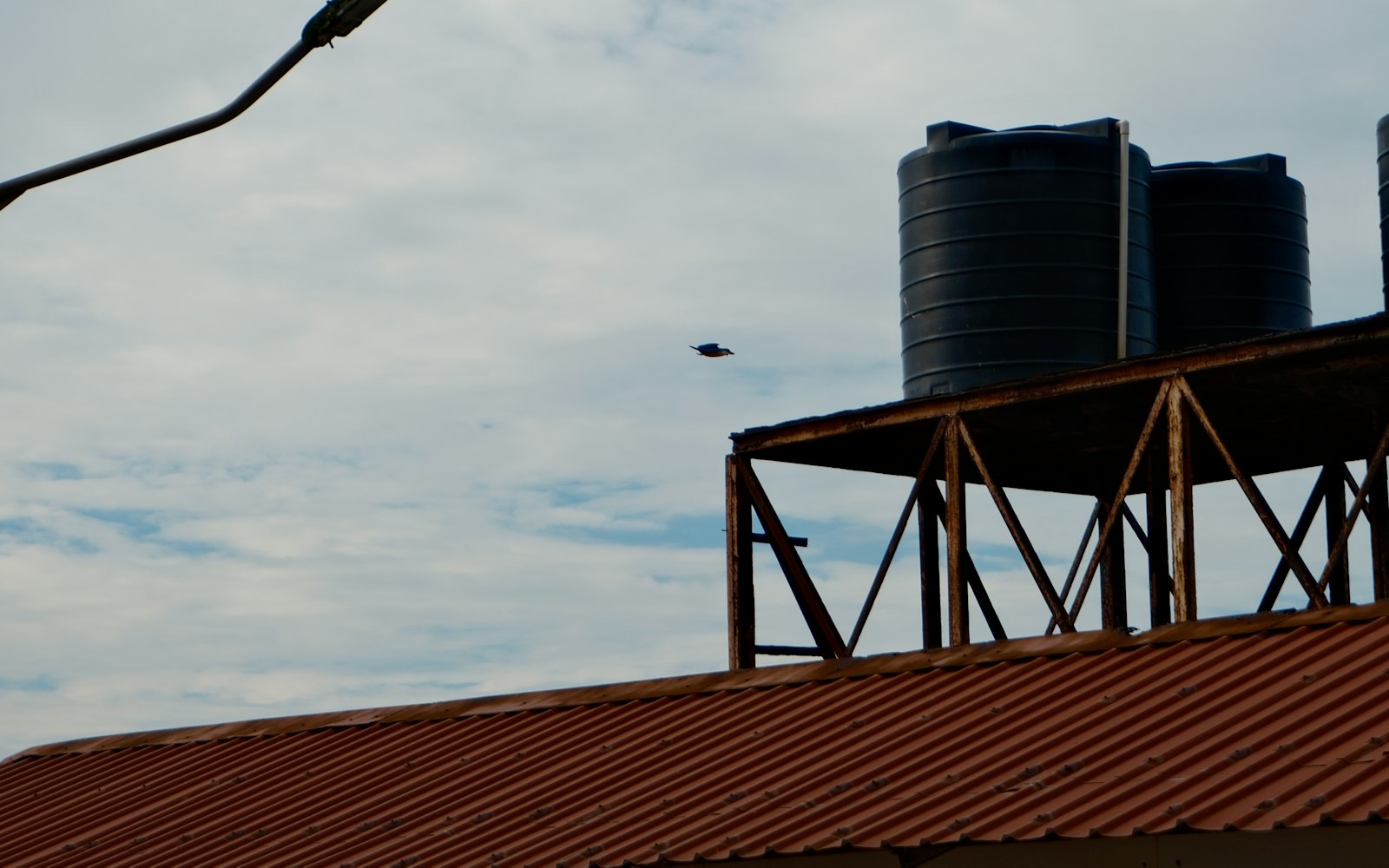

Almost every house in Lahore depends on a water tank. Water from the main supply or a bore is pumped into an underground tank, lifted by a motor to an overhead tank on the roof, and from there it flows to every tap, shower and washing machine in the house.
Because the tanks are out of sight, they are easy to forget. Yet everything that settles inside them, from mud and rust to insects and slime, ends up in the water you bathe in, wash dishes with and often cook with. This guide explains how often tanks should be cleaned, the signs that yours is overdue, and what a proper cleaning involves.
Short answer: A common rule of thumb is to clean overhead and underground water tanks about every six months, and sooner if you notice sediment, smell, discoloured water, insects or a damaged lid. Many Lahore households plan one clean before summer and one after the monsoon. Regular cleaning removes the mud, slime and debris that build up over time, but it does not make tap water safe to drink on its own, so keep boiling or filtering drinking water.
Why water tank cleaning matters
Sediment builds up over time
Water carries fine sand, silt and rust particles. In a tank, the water stays still long enough for these to settle, forming a layer of sludge at the bottom. When the level drops or the motor starts, that sludge gets stirred up and flows to your taps. It can also clog geyser tanks, washing machine inlets, shower heads and filters.
Slime and growth on the walls
The inside walls of tanks, especially in warm weather, can develop a slippery layer of algae and bacterial growth. Dark plastic tanks exposed to sunlight and tanks with loose lids are more likely to develop this.
Contamination risk
The World Health Organization (WHO) explains that contaminated water can transmit diseases such as diarrhoea, cholera, dysentery and typhoid. A dirty tank is not the only route for contamination, but a poorly covered or cracked tank adds risk by letting in dust, insects, bird droppings and, for underground tanks, seepage from surrounding soil.
Source water is a concern too. In August 2023, The Express Tribune reported on a Pakistan Council of Research in Water Resources (PCRWR) report that tested sources in 29 cities, including Lahore, and found 51 per cent of drinking water sources unfit for consumption, with bacterial contamination among the problems. A clean tank cannot fix contaminated source water, but a dirty tank can make things worse.
Mosquito breeding
WHO notes that household water storage containers can become breeding grounds for mosquitoes, including the kind that spread dengue, and that covering them reduces breeding. A tank with a broken lid or uncovered vent can become a breeding site right above your bedroom.
How often should you clean your water tank?
There is no single official schedule for household tanks in Pakistan, but cleaning about every six months is a widely used rule of thumb for both overhead and underground tanks. Many families find it practical to time the cleanings around the seasons:
- Before summer (March to April): water use rises sharply in the heat, so start the season with a clean tank.
- After the monsoon (September to October): heavy rain, dust storms and flooding can push debris and dirty water into tanks.
Clean sooner if any of these apply:
- You see sediment, sand or rust in a glass of tap water
- Water smells musty, earthy or like sewage
- Water looks cloudy, yellow or brown
- You find insects, larvae, dead birds or animals in the tank
- The tank lid was missing, broken or blown off in a storm
- There has been construction work nearby or on your own house
- You have just moved into a house and do not know when the tank was last cleaned
- There was flooding or a sewer overflow near the underground tank
Overhead tanks vs underground tanks
| Factor | Overhead tank | Underground tank |
|---|---|---|
| Common material | Plastic (polyethylene) or concrete | Mostly concrete or brick |
| Main risks | Sun-heated water, algae, loose lids, dust, birds | Cracks, seepage from soil or nearby drains, sludge build-up |
| Access | Rooftop, ladder needed | Manhole, confined space |
| DIY possible? | Sometimes, for small plastic tanks with safe access | Not recommended |
| What to check | Lid fit, overflow and vent covers, cracks from sun exposure | Manhole cover seal, cracks in walls, smell, nearby sewer lines |
Overhead tanks
Overhead tanks sit in full sun for most of the year. Plastic tanks can become brittle and develop cracks over time, and lids often warp or go missing. Concrete overhead tanks may develop cracks and leaks. Overhead Water Tank Cleaning typically involves draining the tank, removing sludge, scrubbing the walls and floor, rinsing and refilling.
Underground tanks
Underground tanks need special attention in Lahore. Many are old, built close to sewer or drain lines, and not inspected for years. A small crack can let surrounding water seep in. Because these tanks are confined spaces, entering them without precautions can be dangerous. Underground Water Tank Cleaning is the safer route for these tanks.
What proper tank cleaning involves
Whether you hire someone or supervise the work, a proper clean should follow these steps:
- Plan the timing. Pick a day when the family can manage without running water for a few hours, and store some water for essentials.
- Switch off the motor and close the inlet so the tank does not refill during cleaning.
- Use the water down or drain it safely, without flooding the roof or the neighbours' property.
- Remove sludge from the bottom completely, rather than just stirring it up.
- Scrub the walls, floor and lid with suitable brushes to remove slime and deposits.
- Rinse thoroughly and drain the rinse water, so no loose dirt or cleaning residue remains.
- Disinfect if appropriate. Some cleaners use a disinfectant. If so, it should be a product suitable for water tanks, used as directed, and rinsed or flushed as instructed. Different chemicals should never be mixed.
- Inspect the tank for cracks, leaks, a damaged lid, and missing mesh on overflow and vent pipes.
- Refill and flush the lines. Run each tap for a short time to clear sediment from the pipes.
Safety points
- Underground tanks are confined spaces. Air inside can be low in oxygen or hold harmful gases, especially if the tank is near sewer lines. Nobody should enter alone or without ventilation and someone watching from outside.
- Rooftop work needs a stable ladder and care near roof edges, especially on houses without boundary walls on the roof.
- Do not use harsh chemicals like acid or strong cleaners meant for toilets or drains inside a drinking water tank.
- Keep electrical items away from water and turn off the motor at the switch before work begins.
Keep your tank cleaner between cleanings
- Make sure every tank has a tight-fitting lid, and lock or weigh it down before windy weather.
- Cover overflow and vent pipes with fine mesh to keep out insects and birds.
- Seal the underground tank's manhole cover so rainwater and surface dirt cannot enter.
- Keep the area around the underground tank clean and dry, and away from garbage or drain water.
- Consider a sediment filter on the main line if your supply carries a lot of sand.
- Keep a simple note of when each tank was last cleaned.
Whether you live in a house in DHA or Bahria Town, a portion in Johar Town or an older home in Model Town, the same habits apply. Tenants should check with their landlord about when the tanks were last cleaned and who arranges it.
Drinking water: one important reminder
A clean tank is good household hygiene, but it is not the same as safe drinking water. Contamination can enter through the supply line itself, before water ever reaches your tank. For drinking and cooking, continue to boil water or use a reliable filtration method, and follow guidance from local health authorities if there are warnings in your area.
Frequently asked questions
How often should I clean my underground water tank?
About every six months is a common rule of thumb, which is the same as for overhead tanks. Underground tanks may need attention sooner if they are older, close to sewer or drain lines, or after heavy rain or flooding nearby. Any crack, seepage or bad smell is a reason to have it checked straight away.
Is tank water safe to drink after cleaning?
Cleaning the tank removes sediment and slime, but it cannot fix contamination that comes from the supply line or from the source water itself. Water quality testing reported by the Pakistan Council of Research in Water Resources has found contamination in many drinking water sources, including in Lahore. It is safest to boil or properly filter water for drinking even after the tank is cleaned.
Can I clean the water tank myself?
You can clean a small, easily reachable overhead plastic tank yourself if you are careful, use a stable ladder, switch off the motor and avoid harsh chemicals. Underground tanks and large concrete tanks are confined spaces where air can be unsafe, so they should not be entered without proper precautions. For these, it is better to use an experienced team.
How long does tank cleaning take?
It depends on the tank size, how dirty it is and how quickly it can be drained. A small overhead tank may take an hour or two, while a large underground tank can take longer. You will also need time afterwards to refill the tank, so plan the cleaning for a day when you can manage without water for a few hours.
Why does my tap water smell or look cloudy?
Common causes include sediment stirred up in a dirty tank, slime growth, an open or damaged lid letting in dust and insects, or a problem in the supply line. If the smell or colour is new and strong, stop using the water for drinking and cooking, check the tank and lids, and get the tank cleaned and inspected.
Book your next tank cleaning
Cleaning your water tanks about twice a year, and whenever you notice warning signs, keeps sediment and slime out of your taps and gives you a chance to spot cracks and broken lids early.
If you would like a team to handle it, you can book Overhead Water Tank Cleaning or Underground Water Tank Cleaning on MrHazir, or browse other Home Cleaning services. The current price is shown on each service page.
Photo: Rama Krushna Behera on Unsplash