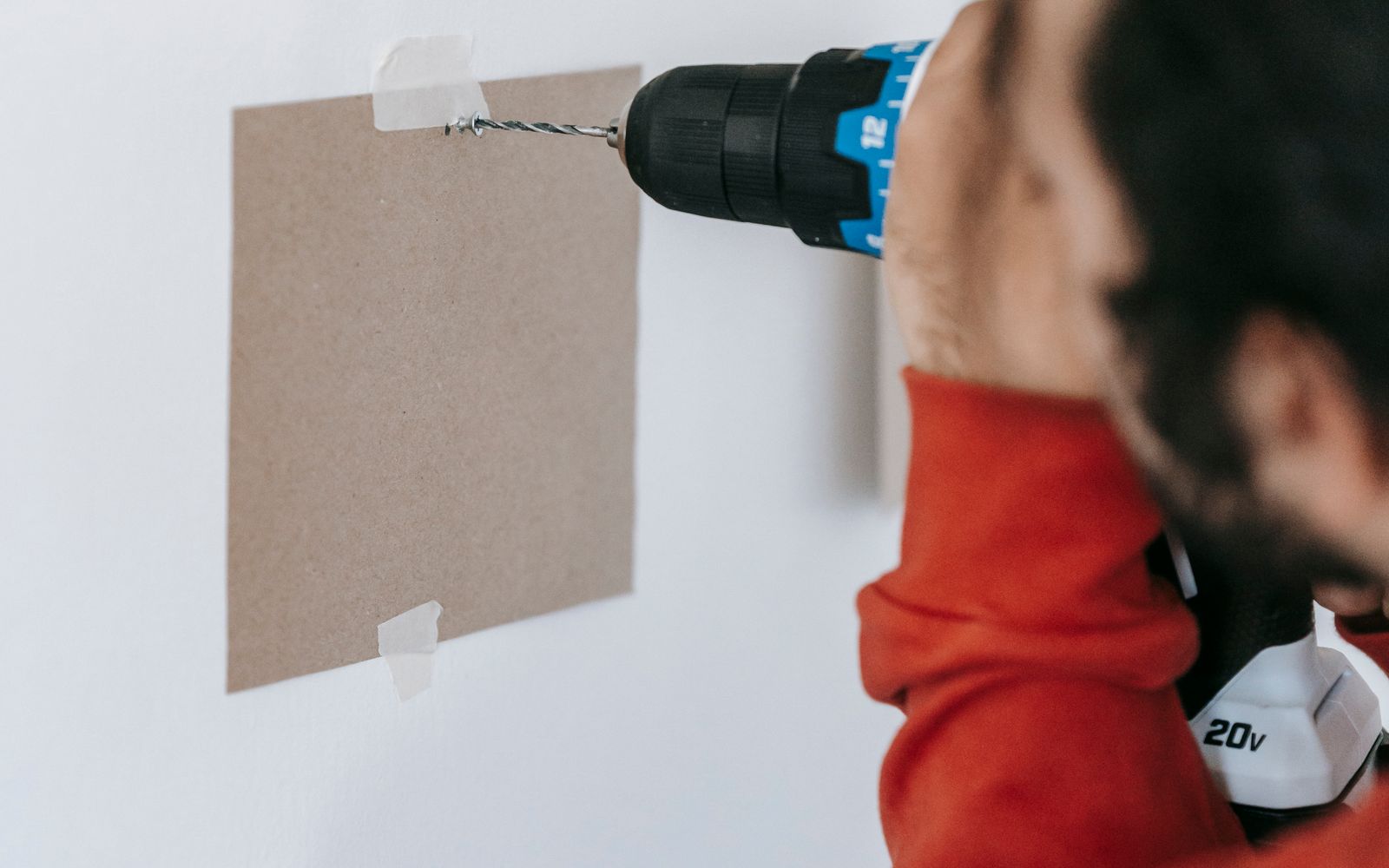

Most homes have a list of small jobs that never seem to get done: the new TV still sitting on its box, a mirror leaning against the wall, curtain rods that came down during the last cleaning, and a bathroom door lock that only works if you lift the handle. None of these jobs takes long on its own, but together they can fill a weekend, and a mistake with a drill can mean a cracked tile or, worse, a drilled pipe or wire.
This guide explains what a handyman can typically finish in one visit, what you should prepare, and the questions that matter for TV mounting in Lahore homes.
In one visit, a handyman can usually mount a TV, fix shelves, mirrors and frames, install curtain rods or blinds, replace door locks and handles, and handle a list of small fixes. Before the visit, buy the right bracket for your TV's size, weight and mounting holes, decide positions and heights, and tell the handyman about any known pipes or wires in the wall.
Jobs a handyman can usually handle in one visit
| Job | What is involved | Good to know |
|---|---|---|
| TV wall mounting | Marking the height, drilling, fixing the bracket, hanging and levelling the TV | Bracket must suit your TV's size, weight and mounting holes |
| Shelves | Marking level positions, drilling and fixing brackets or floating shelf rails | Load depends on the wall type and the fixings |
| Mirrors and frames | Fixing hooks, clips or a rail at the right height | Heavy mirrors need stronger fixings than a single nail |
| Curtain rods and blinds | Measuring, fixing brackets above the window, fitting rods or blinds | Measure for inside or outside the window recess |
| Door locks and handles | Removing the old lock, fitting a new one, adjusting the strike plate | Buy a lock that matches your door's thickness and existing holes, if possible |
| Small fixes | Loose hinges, cabinet doors, towel rails, hooks, minor adjustments | Hourly booking works well for a list of small jobs |
Plumbing, electrical and gas work are separate trades. If a job needs a new socket, a water line moved or anything near a gas pipe, book the right specialist.
TV wall mounting: what to decide before the visit
Choose the right bracket
Wall brackets come in three main types:
- Fixed: holds the TV flat against the wall. Neat and simple, best when you sit directly in front of the screen.
- Tilting: lets you angle the screen up or down. Useful if the TV is mounted higher than eye level.
- Full-motion (swivel arm): pulls out and turns. Useful for corner placement or open-plan rooms, but needs a strong wall and careful fixing because it puts more strain on the fixings.
Check the back of your TV for the mounting hole pattern (often called the VESA pattern) and the TV's weight in the manual. The bracket's packaging should list the patterns and the maximum weight it supports. Choose one that covers both with some margin.
Pick the height
For a lounge where people sit on sofas, the centre of the screen is usually most comfortable around seated eye level. Many people mount TVs too high, which strains the neck. In bedrooms, a slightly higher position with a tilting bracket can work better. Sit where you will watch and decide before the handyman arrives.
Plan for power and cables
- Is there a socket near where the TV will go? If not, you may need an electrician to add one. Running a long extension cord behind the TV is not a good permanent solution.
- Where will the receiver, router or sound bar sit?
- Do you want cables hidden in a surface cable channel? Chasing cables inside the wall is a bigger job that involves plaster and paint work.
Size matters
Larger TVs are heavier, wider and harder to lift safely. A 65-inch or larger screen usually needs a heavier bracket, more careful fixing and two people to lift it onto the bracket. That is why many services price large TVs separately. See TV Wall Mounting (up to 55") and TV Wall Mounting (65" and above).
Know your wall
The wall decides which fixings are safe. Lahore homes typically have a few types:
- Brick walls with plaster: the most common in houses. With the right drill bit and wall plugs, they hold TVs, shelves and mirrors well, as long as the holes go into solid brick and not just plaster or a mortar gap.
- Concrete columns and beams: very strong, but harder to drill. A hammer drill and the right bit are needed.
- Gypsum board or partition walls: common in some apartments, offices and renovated rooms, and in false ceilings. These need special hollow-wall anchors, and heavy items should ideally be fixed into the frame behind the board or onto a solid wall instead.
- Wood panelling or decorative wall cladding: the fixing must go through the panel into the solid wall behind it.
Avoid hidden pipes and wires
Drilling into a concealed water pipe or electrical wire is the most serious risk in mounting work. A careful handyman will:
- Avoid drilling directly above, below or beside switches and sockets, where wires often run
- Be careful near bathrooms and kitchens, where water pipes run in the walls
- Ask you about any known pipe or wire routes, or recent renovation work
- Use a detector where available, while remembering that no detector is perfect
If you have the original house plans or photos taken during construction, show them. They can be very useful.
Shelves, mirrors and frames
Shelves fail when the fixing is weaker than the load. Think about what you will put on the shelf: books and crockery are far heavier than decorative items. Floating shelves look neat, but need a solid wall and a proper hidden rail.
For mirrors, especially large bathroom or dressing mirrors, use proper mirror clips or a rail rather than a single nail and string. For a gallery of frames, lay them out on the floor first or tape paper templates to the wall, then mark the hook points. See Shelf / Mirror / Frame Mounting.
Curtain rods and blinds
- Decide the width: rods usually extend a little past the window on each side so the curtains can open fully without blocking light.
- Decide the height: mounting rods higher than the window frame can make a room look taller and let curtains hang properly.
- Inside or outside the recess: for blinds, measure carefully for whichever you choose. Inside-recess blinds need an accurate width.
- Heavy curtains: blackout and lined curtains, popular for Lahore summers, are heavier and may need extra centre support brackets.
The area above a window often has a concrete lintel, which needs the right drill bit. See Curtain Rod / Blind Installation.
Door locks and handles
A sticking lock, a loose handle or a lost key are common reasons to change hardware. Before buying a replacement:
- Measure the door thickness and note whether it opens left or right
- Take a photo of the old lock and, if possible, bring it to the shop
- Choose a lock that fits the existing holes to avoid extra cutting
- For main doors, ask about the security level of the lock
Sometimes the problem is not the lock but a door that has dropped on its hinges, which can happen with heavy wooden doors and seasonal humidity. Tightening or adjusting the hinges may solve it. See Door Lock / Handle Replacement.
Make the most of an hourly booking
If you have several small jobs, an hourly booking is often more practical than booking each job separately. To get the most from it:
- Walk around the house and write a list of every job, in order of priority
- Buy materials in advance (brackets, rods, locks, shelves) or confirm with the handyman what they will bring
- Decide exact positions and heights before the visit and mark them with masking tape
- Clear the area around each job and move furniture if needed
- Be at home to answer questions so the handyman does not have to wait
Safety and cleanup
- Keep children and pets away while drilling and lifting
- Cover furniture and electronics nearby; drilling plaster and brick creates fine dust
- Anchor tall furniture such as bookcases and TV units to the wall, especially if children climb
- Check every mounted item by gently testing it before the handyman leaves
Frequently asked questions
How high should a TV be mounted on the wall?
In a lounge, the centre of the screen is usually most comfortable around seated eye level. Many people mount TVs too high, which can strain the neck. In bedrooms, a slightly higher position with a tilting bracket can work better, so sit where you will watch before deciding.
Can a TV be mounted on a gypsum or partition wall?
Sometimes, but it needs extra care. Gypsum board needs special hollow-wall anchors, and heavier TVs should ideally be fixed into the frame behind the board or onto a solid wall instead. Tell the handyman your wall type when booking.
Do I need to buy the TV bracket myself?
It depends on the service, so confirm when booking. If you buy it, check that it matches your TV's mounting hole pattern (often called VESA) and supports more than your TV's weight. Have it ready before the visit.
Why do large TVs cost more to mount?
TVs of 65 inches and above are heavier and wider, need stronger brackets and more careful fixing, and usually need two people to lift them onto the wall safely. That is why many services list large TVs separately. You can see the current price on the service page.
What should I prepare for an hourly handyman booking?
Write a list of jobs in order of priority, buy materials in advance or confirm what the handyman will bring, mark positions with masking tape and clear the work areas. Being at home to answer questions also saves time.
Book a handyman in Lahore
A single well-planned visit can clear a long list of small jobs and get the TV off the floor. Browse General Handyman on MrHazir, check the current price on each service page, and book a time that suits you.
Photo: Blue Bird on Pexels