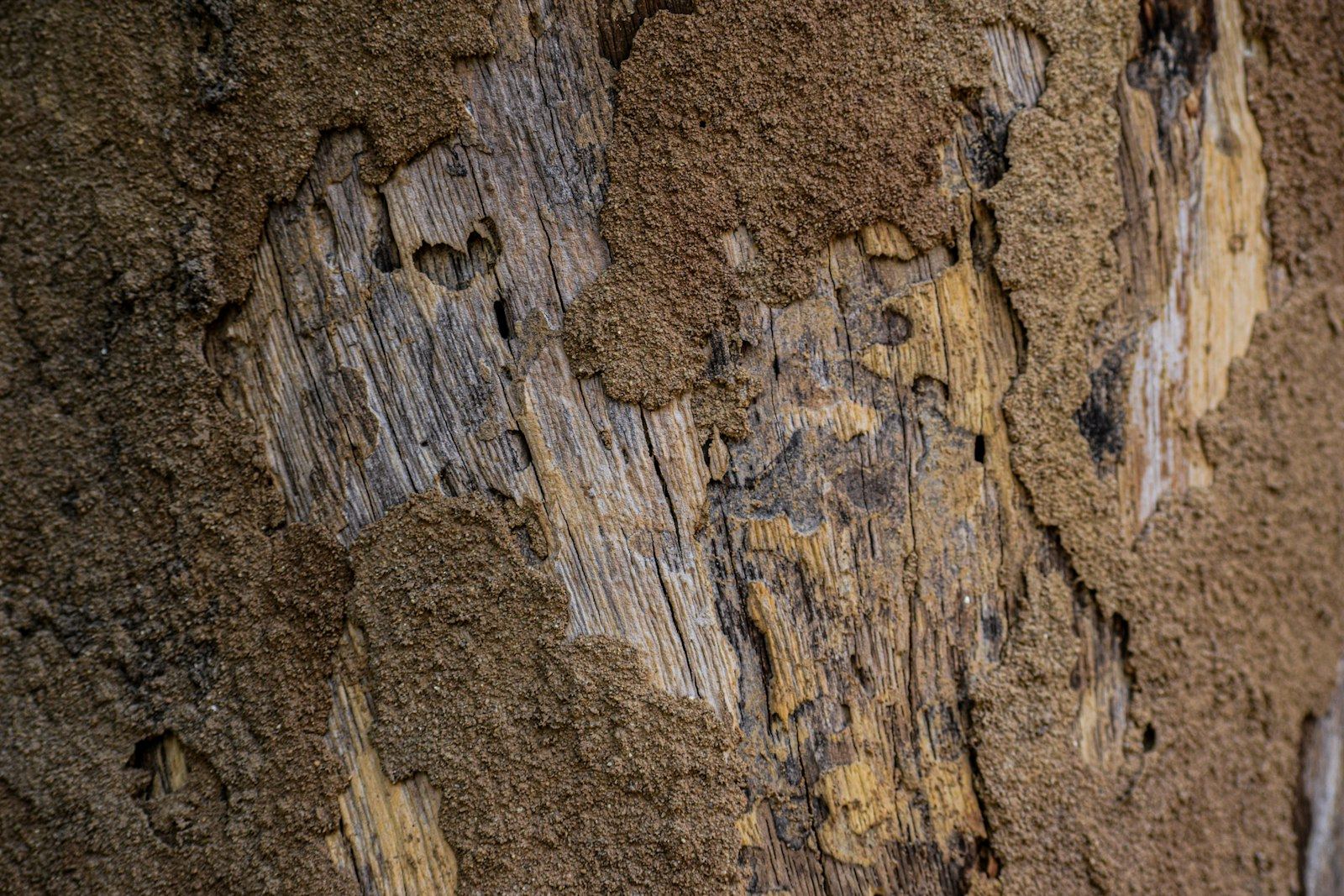

Termites, or deemak as most people in Lahore call them, rarely announce themselves. By the time a door frame crumbles or a cupboard back collapses, they may have been feeding quietly for months.
The earlier you catch them, the smaller the damage and the simpler the treatment. This guide explains the warning signs to look for, why termites are common in Lahore homes, how professional treatment works, and what you can do to keep them from coming back.
Short answer: The clearest signs of termites are thin mud tubes on walls or floors, wood that sounds hollow or crumbles when pressed, blistered paint on door frames or skirting, and piles of discarded wings after rain. If you see any of these, get an inspection before buying sprays, because subterranean termites live in the soil and need treatment that reaches them there. A common professional method is drill-and-inject, where a termiticide is injected into the soil through small holes along walls and floors.
Why termites are a problem in Lahore homes
The termites that damage most houses here are subterranean termites. As the University of California's Integrated Pest Management programme (UC IPM) explains, these termites nest in or near the soil and keep a connection to it, travelling into buildings through tunnels in wood or through shelter tubes made of soil. They need moisture to survive.
Several things about typical Lahore houses make them attractive:
- Wooden door frames, skirting and built-in cupboards fixed directly against brick or concrete walls, often close to the floor.
- Damp walls and floors from plumbing leaks, rising damp or poor drainage, especially near bathrooms and kitchens.
- Lawns and planters close to the house walls, with moist soil right against the foundation.
- Wood stored on the ground, such as old furniture, timber or construction leftovers in a store room, garage or on the roof.
- Warm, humid weather, particularly around the monsoon.
Older houses in areas like Model Town, Gulberg and Shadman can be at risk because wood has been in place for decades. Newer houses in DHA, Bahria Town and Johar Town are not immune either, especially if the soil was not treated during construction or if wood was left buried in the plot.
Warning signs of termites
Walk through your house once every few months, with a torch, and look for these signs. Pay extra attention to ground-floor rooms, store rooms, bathrooms and anywhere with wood near the floor.
1. Mud tubes
UC IPM describes shelter tubes, or mud tubes, as the most common evidence of subterranean termites. They look like thin, pencil-width lines of dried mud running up walls, along the floor-wall joint, behind cupboards or over the foundation. Termites build them to travel between the soil and wood while staying protected. If you break a small section and find live termites, or see it rebuilt a few days later, there is active infestation.
2. Hollow or soft wood
Tap door frames, skirting boards and window frames with the handle of a screwdriver. Healthy wood sounds solid. Wood that sounds hollow, feels papery or lets a screwdriver push in easily may have been eaten from the inside. UC IPM notes that wood thin at the surface and easily punctured is a sign of damage.
3. Blistered or bubbling paint
Paint that bubbles or cracks on wooden frames, or on walls near the floor, can indicate termites tunnelling just behind the surface. It can also mean damp, which itself attracts termites.
4. Discarded wings and swarmers
Winged termites, called swarmers or alates, leave the colony in groups to start new ones. Swarms are often seen after rain, near windows, doors and lights. They shed their wings soon after, so small piles of identical wings on windowsills or floors are a strong clue. UC IPM notes that swarmers outdoors do not always mean your house is infested, but swarmers indoors deserve an inspection.
5. Damage inside cupboards and on stored items
Look at the back panels of wardrobes and kitchen cabinets, the bottom of bookshelves, and cardboard boxes or papers stored on the floor. Termites eat paper and cardboard too. Fine soil-like material on shelves is a common sign.
6. Doors and windows that start sticking
When termites damage frames, doors and windows can become harder to open or close. This can have other causes, but combined with the signs above, it is worth checking.
Quick self-check list
| Area | What to check |
|---|---|
| Door and window frames | Hollow sound, soft spots, bubbling paint, mud at the base |
| Skirting and wooden flooring | Mud tubes along the edges, gaps, hollow sound |
| Wardrobes and cabinets | Damaged back panels, soil-like debris, mud lines inside |
| Bathroom and kitchen walls | Damp patches, mud tubes, damaged door frames |
| Store rooms and garages | Damaged cardboard, stored wood, mud tubes on walls |
| Outside walls and lawn edges | Mud tubes on the plinth, wood debris near walls |
| Window sills and lights | Piles of discarded wings after rain |
If you find anything suspicious, take photos and avoid scraping it all away. A Termite Inspection is the right first step, and an inspector needs to see the evidence to judge how active and widespread the infestation is.
Treatment options
Professional inspection
A good inspection maps where the activity is, looks for the likely entry points from the soil, checks for moisture problems, and recommends what to treat. UC IPM recommends a professional inspection before any treatment decision. Ask the inspector to show you what they found and to explain why they recommend a particular method.
Drill-and-inject soil treatment
This is a widely used method for subterranean termites in existing buildings. Small holes are drilled at intervals along the joint between the floor and walls, around door frames and other entry points, and sometimes along the outside plinth. A liquid termiticide is then injected through these holes into the soil underneath, creating a treated zone that termites must cross to reach the building. The holes are sealed afterwards.
UC IPM describes this kind of soil treatment, applied by drenching, trenching, drilling or rodding, as a professional method, and notes that effective termite products are generally meant for trained applicators rather than the public. Termite Treatment (Drill & Inject) follows this approach.
Before drilling starts, tell the team where concealed water pipes, drain lines and electrical conduits run, if you know. Drilling into a concealed pipe creates a new problem you do not need.
Spot treatment of wood
Infested wood that is still sound may be treated directly. Badly damaged wood, such as a crumbling door frame, may need to be replaced after treatment. Treating the soil without dealing with damaged wood, or the other way round, often leaves the job half done.
Baiting systems
Some providers offer bait stations, which contain a slow-acting material that termites carry back to the colony. UC IPM notes that baiting can take months and needs ongoing monitoring. Ask whether this option is available and suitable for your house.
Pre-construction treatment
If you are building a new house, ask your contractor about soil treatment before the floor is laid. It is much easier to treat soil before construction than to drill through finished floors later.
Questions to ask before treatment
- Where exactly did you find activity, and can you show me?
- Which areas will be drilled and treated, and why?
- What product will you use, and what safety precautions should my family take?
- How long should children and pets stay out of treated rooms?
- How will the holes be sealed and finished?
- What follow-up inspection do you recommend?
How to prevent termites from coming back
UC IPM's prevention advice is practical for Lahore homes:
- Fix leaks and damp quickly. Repair plumbing leaks, blocked drains and damp walls, because moisture attracts termites.
- Remove wood touching soil. Clear old timber, stumps, broken furniture and construction leftovers from the lawn, store room and roof.
- Keep soil away from wood. Planters and flower beds should not sit right against wooden frames or the plinth.
- Keep the base of the house dry and ventilated.
- Store boxes off the floor on metal or plastic racks rather than directly on the ground.
- Check regularly. A quick look every few months, and a professional inspection periodically, catches problems early.
Frequently asked questions
Are flying ants and termites the same?
No, though they are easily confused. Flying termites have straight antennae, a thick waist and two pairs of wings of equal length, while flying ants have elbowed antennae, a narrow waist and front wings longer than the back ones. Termite swarmers also shed their wings, so piles of wings near windows and lights are a useful clue.
Can I treat termites myself with a spray?
Surface sprays may kill the termites you can see, but subterranean termites live in colonies in the soil, so the colony usually survives and returns. UC IPM, a university pest management programme, recommends a professional inspection before any treatment. Removing visible mud tubes yourself can also make it harder for an inspector to judge the activity.
How long does drill-and-inject treatment take?
It depends on the size of the area being treated, the floor type and how many rooms are affected. A single room may take a few hours, while a whole house takes longer. Ask the provider for an estimate after the inspection, along with any instructions about staying out of treated rooms.
Is termite treatment safe for children and pets?
Termiticides are pesticides and should be handled with care. Ask the provider which product is used, how long to keep children and pets away from treated areas, and whether rooms need airing afterwards. Follow their instructions and the product label carefully.
Will termites come back after treatment?
They can, especially if moisture problems, wood touching soil or untreated areas remain. Fixing leaks, removing wood debris and having periodic inspections reduce the chance of a new infestation. Ask your provider what follow-up checks they recommend.
When are termites most active in Lahore?
Subterranean termites need moisture, and UC IPM notes that foraging peaks in warm weather with moist soil. That is why many people in Lahore notice termite swarmers or new damage around the monsoon and other warm, humid periods. Damage can continue year-round inside walls, so do not wait for a particular season to check.
Do not wait for the door frame to give way
Termites are much easier to deal with when caught early. Check your home every few months, fix damp problems, and get an inspection as soon as you see mud tubes, hollow wood or discarded wings.
If you have spotted signs of deemak, you can book a Termite Inspection or Termite Treatment (Drill & Inject) on MrHazir, or browse other Pest Control services. The current price is listed on each service page.
Photo: Saifee Art on Unsplash