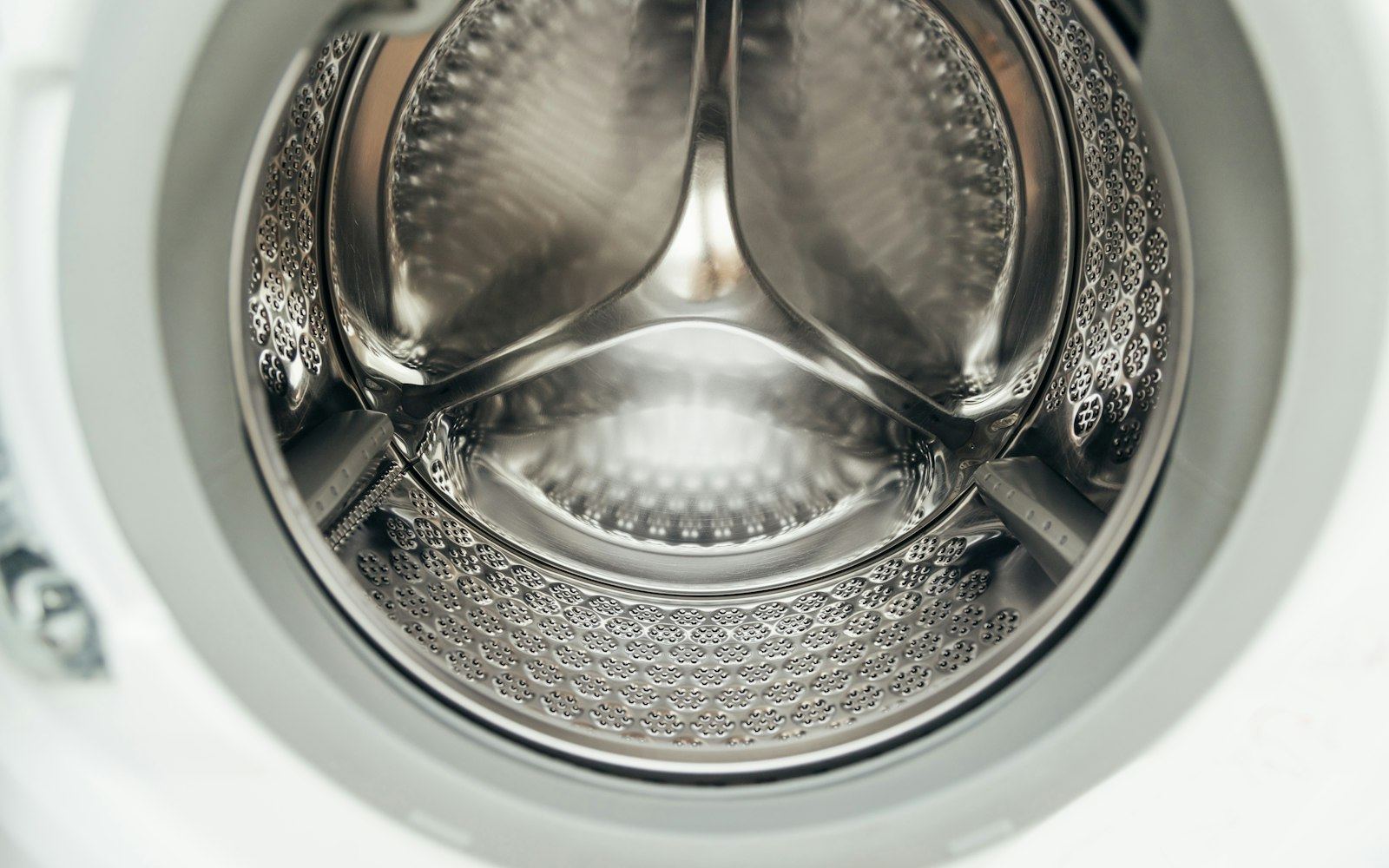

A fridge that stops cooling in a Lahore summer, or a washing machine full of water that will not drain, can throw the whole household off. The first instinct is to call a technician straight away. Sometimes that is the right call. But quite often, the cause is something simple: a tripped stabilizer, a closed water tap, a blocked filter or an overloaded fridge.
This guide lists the safe checks you can do yourself first, explains which symptoms point to a real fault, and covers what to expect when you do need a technician.
Before calling a technician, check the power supply, socket, breaker and voltage stabilizer, then the simple causes: the fridge thermostat, dusty coils, door seals and blocked vents, or the washer's water tap, hoses, drain filter and load balance. Always unplug the appliance first and never open panels. If the problem continues, or you notice burning smells, shocks or loud grinding, book a technician.
Safety first
- Unplug the appliance before you touch anything other than the controls or the door.
- Do not remove back panels, covers or the compressor cover. Some internal parts can hold an electrical charge even when unplugged.
- Keep water away from plugs and sockets, especially with washing machines.
- If you see sparks, smell burning or the appliance gives a shock, stop using it and get it checked.
- Do not try to refill or "top up" refrigerator gas yourself.
Refrigerator: checks you can do yourself
1. Is it getting power?
Check that the plug is firmly in, the socket works (try a phone charger in it), and the breaker has not tripped. If the fridge is on a voltage stabilizer, check whether the stabilizer is showing a fault, has tripped, or is in its start-up delay. Many stabilizers wait a few minutes before passing power to the fridge after the supply returns, which is normal.
2. Check the thermostat setting
Children, cleaners or someone looking for a bottle at the back can knock the dial. Make sure it is set to a normal position. The US Food and Drug Administration recommends keeping the refrigerator at or below 4°C (40°F) and the freezer at -18°C (0°F). An inexpensive fridge thermometer helps you check.
3. Give it space to breathe
A fridge releases heat from the back or sides. If it is pushed hard against a wall, boxed into a tight cabinet or placed next to the stove, it struggles to cool, especially in summer. Leave some space around it as the manual suggests.
4. Clean the condenser coils
On many models, the coils at the back or underneath collect thick dust, and Lahore dust builds up quickly. Unplug the fridge and gently vacuum or brush the coils if they are easy to reach. Do not bend or poke the tubes.
5. Check the door seal
Close the door on a sheet of paper. If it slides out easily, the seal may not be closing properly in that spot. Wipe the rubber gasket with mild soapy water, as dirt can stop it sealing. A torn or hardened gasket needs replacing.
6. Do not overpack
Cold air needs to move. If food blocks the vents inside the fridge or freezer, some areas will be too warm and others too cold. This is common around Eid and during wedding season.
7. Look for frost build-up
In fridges that are not frost-free, thick ice in the freezer reduces cooling. Defrost it as the manual describes. In a frost-free fridge, heavy frost on the back wall can point to a fault in the defrost system, which needs a technician.
8. Water under or inside the fridge
Water pooling inside the fridge or on the floor often comes from a blocked defrost drain. Some manuals explain how to clear it. If it keeps happening, book a check.
Refrigerator: when to call a technician
- The fridge is getting power but not cooling at all after the checks above
- The compressor runs non-stop, or keeps clicking on and off
- Loud knocking, grinding or buzzing noises
- The back or sides are unusually hot
- Oily marks near pipes, or a hissing sound, which may point to a leak
- The fridge trips the breaker or gives a shock
A Refrigerator Repair Inspection lets a technician find the actual fault before any parts or gas are added.
A note about fridge gas
Refrigerant does not get "used up" like fuel. A fridge's cooling system is sealed, so if the gas is low, there is normally a leak somewhere. A careful technician should look for and fix the leak, not just refill it, otherwise you may need another refill soon.
It also matters which gas your fridge uses. The type is printed on the rating plate inside or at the back. Many newer fridges use isobutane (R-600a), which the US Environmental Protection Agency lists with an A3 safety classification, the class for higher-flammability refrigerants. Gas work on any fridge should only be done by a technician trained for that refrigerant, with no open flames nearby. See Refrigerator Gas Refill.
Washing machine: checks you can do yourself
Pakistani homes use both semi-automatic twin-tub machines and fully automatic top-load or front-load machines. Some checks apply to all, and some depend on the type.
Machine will not start
- Check the plug, socket and breaker
- Make sure the door or lid is fully closed; most machines will not start otherwise
- Check whether a child lock or delay start is on
- On twin-tubs, make sure the timer has been turned and the wash/spin selector is set correctly
No water coming in (automatic machines)
- Check the water tap behind the machine is open
- Check that the overhead tank has water and the motor has been run
- Look for a kink in the inlet hose
- Low water pressure can slow filling; many houses in Lahore rely on rooftop tanks, so pressure on upper floors can be low
- The small mesh filter where the hose meets the machine can block with sand or rust; it can be cleaned with the tap closed and the machine unplugged
Water will not drain
- Check the drain hose is not kinked, blocked or placed too high
- On front-loaders, the drain pump filter (usually behind a small panel at the bottom front) can be blocked by coins, hair clips or lint. Unplug the machine and put towels down first, as water will come out
- On twin-tubs, check the drain selector is in the drain position
Machine does not spin or shakes badly
- Redistribute the load; one heavy item such as a blanket or jeans on one side can stop the spin
- Do not overload or underload the drum
- Make sure the machine is level and on a firm floor, not on an uneven tile edge
- On a new front-loader, check that the transit bolts used for shipping have been removed, as described in the manual
- On twin-tubs, the spin lid must be fully shut and the safety plate placed correctly
Leaks
- Check hose connections at the tap and the machine
- Too much detergent can cause foam to overflow
- On front-loaders, check the door rubber for trapped items or tears
Bad smell
- Leave the door or lid open after washing so the drum can dry
- Clean the detergent drawer and door rubber regularly
- Run an empty hot cleaning cycle if your machine has one, as described in the manual
Washing machine: when to call a technician
- Error codes that remain after following the manual
- Burning smell, sparks or the machine tripping the breaker
- Loud banging or grinding during spin, which can mean worn bearings or a loose part
- Water leaking from underneath with no obvious hose problem
- The drum does not turn at all, or the motor hums without turning
Book a Washing Machine Repair Inspection for faults, or a Washing Machine Service & Drum Cleaning if the machine works but smells, leaves residue on clothes or has not been serviced in a long time.
Quick reference table
| Symptom | Check yourself | Call a technician if |
|---|---|---|
| Fridge not cooling | Power, stabilizer, thermostat, space around fridge, dusty coils | Still not cooling after checks, or compressor runs constantly |
| Fridge leaking water | Blocked defrost drain, overfilled trays | Leak keeps returning |
| Fridge noisy | Level feet, items touching the back | Knocking, grinding or loud buzzing |
| Washer will not fill | Tap open, tank water, hose kinks, inlet filter | Valve or control fault suspected |
| Washer will not drain | Hose, drain filter, drain selector on twin-tub | Pump runs but water stays, or no pump sound |
| Washer shakes or will not spin | Load balance, level, transit bolts | Banging or grinding continues |
Protecting appliances from voltage problems
Low and high voltage and frequent power cuts can be hard on compressors and motors. Many Lahore households use a stabilizer with the fridge. Avoid switching the fridge off and on repeatedly in a short time, and check your manual for whether your model needs a stabilizer at all, since some are designed for a wider voltage range.
Frequently asked questions
Why is my fridge running but not cooling?
Common simple causes include a thermostat set too warm, dusty condenser coils, a fridge pushed tight against a wall, a poor door seal or food blocking the vents. If it still does not cool after these checks, the cause may be a fan, defrost, compressor or gas leak problem, which needs a technician.
Does a fridge need regular gas refilling?
No. The cooling system is sealed, so refrigerant should not run out under normal use. If the gas is low, there is usually a leak, and a technician should find and fix it rather than only refilling.
Why is my washing machine not draining?
Check that the drain hose is not kinked, blocked or placed too high, and on front-loaders clean the drain pump filter with the machine unplugged and towels underneath. On twin-tub machines, make sure the drain selector is in the drain position. If water still will not drain, the pump or control may be faulty.
Why does my washing machine shake so much during spin?
The most common cause is an unbalanced load, such as one heavy blanket on one side. Make sure the machine is level on a firm floor, and on a new front-loader check that the shipping transit bolts have been removed. Loud banging that continues can mean worn parts and needs a technician.
What temperature should my fridge be?
The US Food and Drug Administration recommends keeping the refrigerator at or below 4°C (40°F) and the freezer at -18°C (0°F). A simple fridge thermometer lets you check whether your settings are achieving this.
Book appliance repair in Lahore
If the simple checks do not solve the problem, it is time for a proper diagnosis. Browse Appliance Repair on MrHazir, see the current price on each service page and book a technician to inspect your fridge or washing machine.
Photo: Vlad Deep on Unsplash