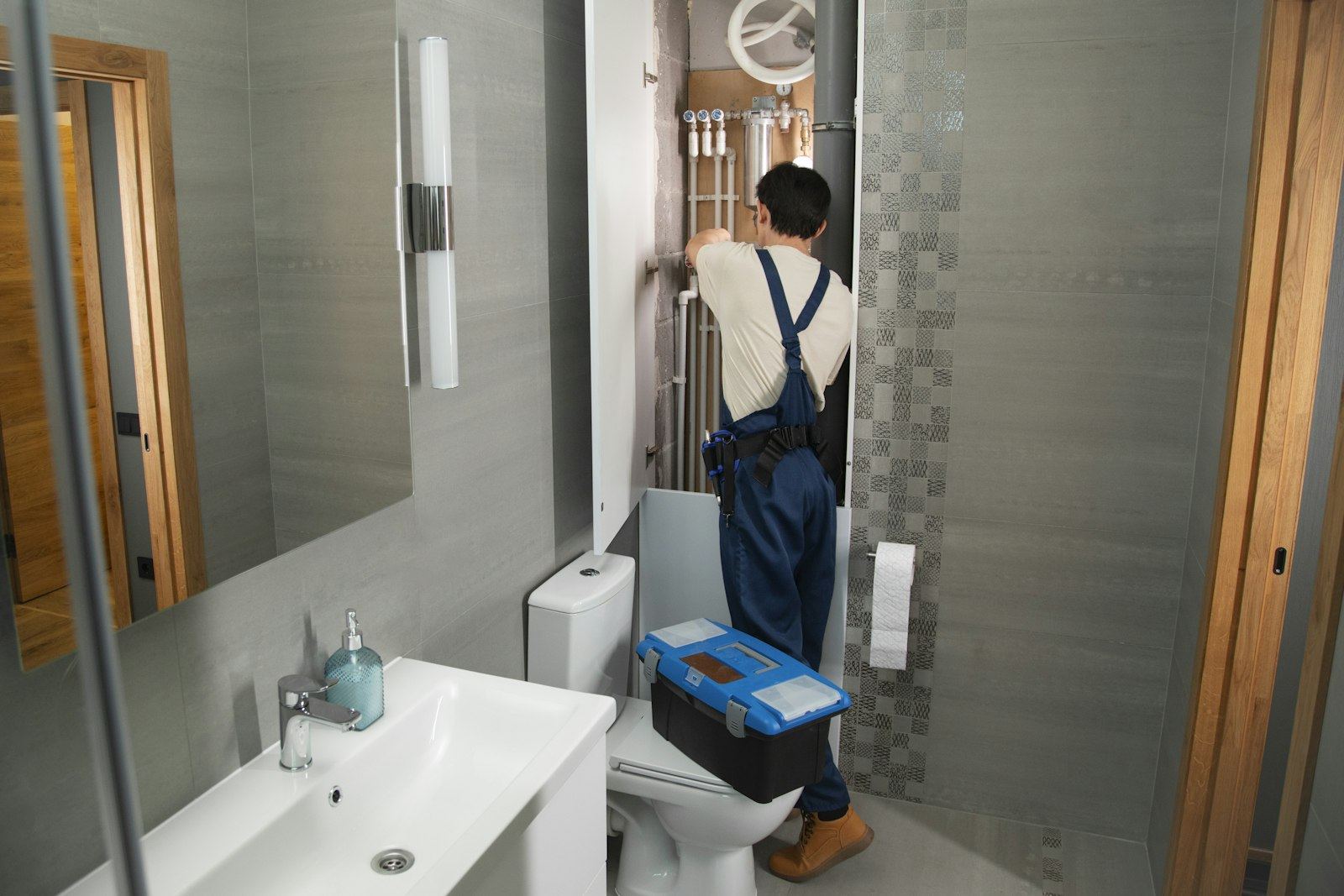

Most people in Lahore look for a plumber only when something has already gone wrong: a pipe bursting under the sink, a ceiling stain spreading in the room below, or a bathroom drain that backs up just before guests arrive. In that rush, it is easy to call the first number you find and agree to whatever is suggested.
That is how many homeowners end up paying twice: once for a quick fix that does not last, and again for someone else to do it properly. This guide explains how to choose a plumber you can trust, what to ask before work starts, and which red flags to watch out for.
Short answer: A reliable plumber explains the problem before touching anything, gives you a clear price or estimate before starting, uses decent fittings, and tests the work in front of you. Ask how they will find the cause, what exactly will be replaced, and whether walls or tiles need to be opened. Avoid anyone who refuses to give a price upfront or pushes for major work without showing you the problem.
Why choosing the right plumber matters
Plumbing problems are often hidden. Most pipes in Lahore houses run inside walls and under floors, so a small mistake can stay invisible for months while water quietly damages plaster, paint, wood and even electrical wiring.
A good plumber does three things well:
- Diagnoses before fixing. They find the actual cause instead of treating the symptom.
- Does neat, durable work. Joints are sealed properly, pipes are supported, and the area is left clean.
- Communicates clearly. You know what was done, why, and what it cost.
A careless job can mean repeat leaks, damp walls, broken tiles and arguments about money. Spending ten minutes choosing well is worth it.
Know your problem before you call
You do not need to be an expert, but a clear description helps a plumber come prepared and helps you judge whether their explanation makes sense. Common plumbing problems fall into a few groups:
| What you see | Likely type of problem |
|---|---|
| Water dripping from a visible pipe, tap or connection | Exposed pipe or fitting leak |
| Damp patch, peeling paint or stain on a wall or ceiling | Concealed (hidden) leak |
| Water tank emptying faster than usual, or meter moving with taps closed | Hidden leak somewhere in the supply line |
| Slow or blocked sink, shower or floor drain | Drain blockage |
| Bad smell from drains | Blockage, dry trap or venting issue |
| Low pressure in one tap only | Clogged tap aerator, valve or local pipe issue |
| Low pressure in the whole house | Tank, pump, main valve or supply issue |
Before you call, take a few photos or a short video, note when the problem started, and check whether it gets worse when certain taps are used. If you are not sure what is going on, a Plumber Visit & Inspection is a sensible first step.
What to look for in a reliable plumber
They ask questions first
A good plumber asks when the problem started, which taps or bathrooms are affected, whether there has been recent construction, and how old the plumbing is. Someone who arrives and starts breaking things without asking anything is guessing.
They explain the cause in plain words
You should be able to understand what is wrong. For example: "The joint under this basin has loosened and the washer is worn, so I will replace the washer and reseal the joint." If the explanation is vague or keeps changing, ask more questions.
They tell you the price before starting
Agree on the cost, or at least a clear estimate and what could change it, before work begins. Ask whether materials are included. If the plumber finds something unexpected once the work is under way, they should stop and tell you before doing extra work.
They use reasonable materials
Cheap fittings and poor-quality pipe are a common reason for repeat leaks. You do not always need the most expensive brand, but you should know what is being installed. It is fine to ask to see the fittings before they go in.
They test the work
After a repair, the plumber should run water through the line, check the joint for drips, and for drains, run enough water to confirm it flows freely. Ask to be present for this.
They clean up
A professional leaves the work area reasonably clean and disposes of old fittings and debris. This sounds small, but it often reflects how carefully the rest of the job was done.
Questions to ask before work starts
Keep these questions handy. A reliable plumber will not mind answering them.
- What do you think is causing the problem, and how will you confirm it?
- What exactly will you repair or replace?
- Will any tiles, plaster or walls need to be opened? How much?
- What will this cost, and does that include materials?
- How long will the work take, and will the water supply be off?
- How will you test that the repair is complete?
- If the problem comes back, what should I do?
Red flags to watch for
- No price until the job is done. This leaves you with no room to say no.
- Pressure to decide immediately. Real emergencies exist, but most jobs can wait the few minutes it takes to understand them.
- Breaking walls on a guess. Opening tiles should be the last step, not the first.
- Recommending full replacement for a minor issue without showing you why the existing pipe has failed.
- Refusing to show the old part that was supposedly faulty.
- Leaving without testing or asking you to "check it later."
Common plumbing jobs and what good work looks like
Exposed pipe leaks
Leaks under sinks, at tap connections, around the toilet cistern or on pipes running along walls and rooftops are usually the easiest to fix. Good work means the plumber finds whether the leak is from a worn washer, a loose joint, a cracked fitting or a corroded pipe section, and replaces only what is needed. This is what a Pipe Leakage Repair (Exposed Pipe) visit covers.
On rooftops, exposed pipes face strong summer sun and occasional winter cold. Plastic pipes that have become brittle and cracked from sun exposure may need replacing rather than patching.
Concealed leaks
Hidden leaks inside walls and floors are the most stressful because they damage the house before you notice them. Damp patches on a wall next to a bathroom, ceiling stains under an upstairs washroom, or a tank that empties overnight are common signs.
A good plumber narrows down the location before opening anything. They may isolate lines by closing valves, pressure-test sections of pipe, check which bathroom the damp is linked to, and look at how the stain spreads. The goal is to open the smallest possible area. Concealed Leak Detection & Repair is designed for this kind of problem.
After the repair, ask the plumber to leave the opened area exposed for a short time, or to test the line under pressure, so you can both confirm the leak has stopped before the tiles go back.
Drain blockages
Kitchen drains often block with grease and food waste; bathroom drains with hair and soap. Floor drains in courtyards and car porches can fill with leaves and dust, especially after a storm.
Good drain work clears the blockage fully rather than just pushing it further down. A plumber may use a plunger, a drain spring or cable, or other tools depending on where the blockage is. If the same drain blocks again and again, ask them to check for a deeper problem, such as a poorly sloped pipe or a damaged section. Book Drain Blockage Clearing if a plunger does not work.
Lahore-specific things to keep in mind
- Older houses in areas like Model Town, Gulberg and the inner city may still have galvanised iron pipes that rust from the inside. Repeated leaks in such houses can be a sign that a section needs replacing, not just patching.
- Newer housing societies such as Bahria Town, DHA phases and newer parts of Johar Town mostly use plastic piping, but installation quality varies. Leaks at joints in relatively new houses are common.
- Water tanks and pumps. Many homes rely on underground and overhead tanks with a motor. Problems that look like pipe issues are sometimes a faulty float valve, a pump issue or air in the line.
- Monsoon season. Heavy rain in July and August puts pressure on roof drains and outdoor drains. It is a good idea to have them checked before the rains.
What you can do yourself (and what you should not)
Some small tasks are safe for most homeowners:
- Cleaning a tap aerator that has clogged with sediment
- Using a plunger on a slow sink or toilet
- Pouring hot (not boiling) water down a kitchen drain to soften grease
- Closing the main valve or a line valve during a leak
Leave these to a plumber: cutting or joining pipes, opening walls, dealing with leaks near electrical points, and anything involving the gas supply. Gas line work needs a qualified gas fitter, not a general plumber.
Keep a simple record
Each time plumbing work is done, note the date, what was repaired, which part of the house it was in, and who did it. Take a photo of pipes before walls are closed. This saves time and money the next time something goes wrong, especially if you rent out the house or plan to sell it.
Frequently asked questions
How do I know if a leak is inside the wall?
Common signs are damp patches or bubbling paint on a wall, a musty smell, mould near the skirting, or a water meter or tank level that drops when no tap is running. Sometimes you can hear water running inside the wall. A plumber can use pressure tests and other methods to narrow down the location before breaking tiles.
Should I let a plumber break tiles to find a leak?
Only after they explain why that spot is the likely source. A careful plumber narrows the area first, using pressure tests, checking which line is affected, and looking at where the damp appears. Breaking walls on a guess can turn a small job into a large one.
Is it cheaper to repair or replace an old pipe?
It depends on the pipe's condition. A single leaking joint on an otherwise sound pipe can usually be repaired. If the pipe is old galvanised iron that is rusted along its length, repeated patching may cost more over time than replacing that section. Ask the plumber to show you the pipe and explain both options.
What should I do while waiting for the plumber?
Close the main valve or the valve for the affected line to stop water flow. If water is near sockets or switches, turn off electricity to that area at the breaker. Move valuables out of the way and take photos of the problem, which helps the plumber understand it.
Are chemical drain cleaners safe to use?
Strong chemical drain cleaners can be harsh on old pipes and dangerous to skin and eyes, and they often do not clear grease or solid blockages. Try a plunger first, and never mix different chemical products. If a drain keeps blocking, it usually needs mechanical clearing by a plumber.
Book a plumber with clear details upfront
A reliable plumber is someone who explains, agrees the price before starting, does tidy work and tests it with you. Use the questions above with anyone who comes to your home.
If you need help with a leak, a blocked drain or a problem you cannot identify, you can book a Plumber Visit & Inspection or browse all Plumbing services on MrHazir. Each service page shows the current price, so you know what to expect before you book.
Photo: bhagya laxmi on Unsplash