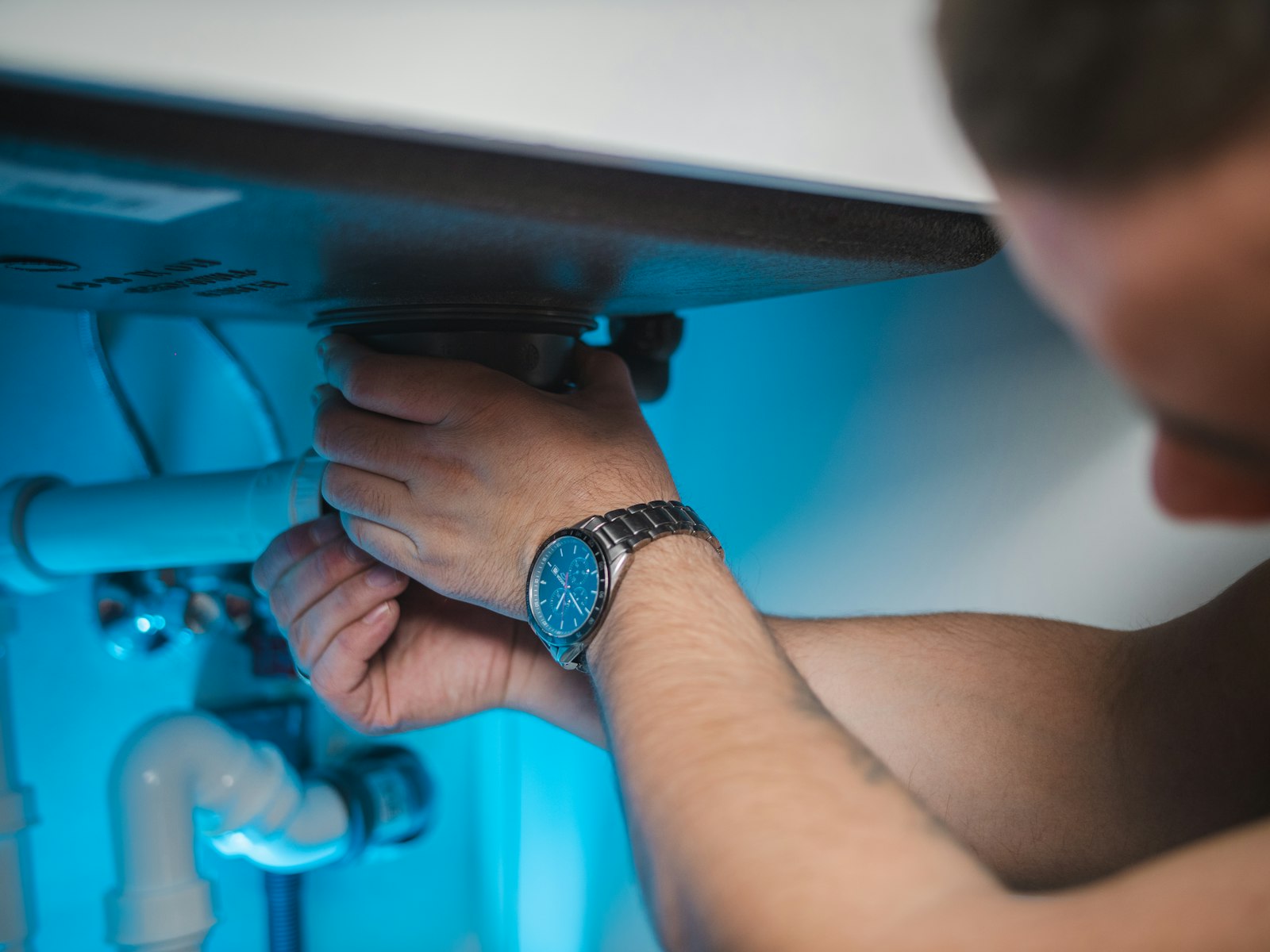

When winter arrives in Lahore, the geyser becomes the most important appliance in the house. Cold water on a December morning is not something anyone wants, and yet every winter many households face the same problems: a geyser that will not light, hot water that runs out after one shower, or a gas bill that seems far too high.
If you are building a new house, replacing an old geyser or just trying to understand your options, this guide compares the three main types used in Pakistani homes: gas storage geysers, electric geysers and instant geysers.
Short answer: A gas storage geyser suits larger families with a reliable gas supply, an electric geyser suits homes with weak or no gas but steady electricity, and an instant geyser suits smaller households or single bathrooms that want hot water on demand without a big tank. In Lahore, winter gas pressure, load-shedding, bathroom ventilation and how many people shower at the same time should decide your choice. Whatever you pick, correct installation and yearly servicing matter more than the brand.
How each type of geyser works
Gas storage geyser
This is the traditional geyser most Lahore families grew up with. A large insulated tank, available in a range of sizes, sits on the roof, in a utility area or in a corner of the house. A gas burner at the bottom heats the water, and a thermostat keeps it at the set temperature. Hot water is ready whenever you open the tap, as long as the tank has not run out.
Electric geyser
An electric geyser also stores water in an insulated tank, but heats it with an electric element instead of a flame. Tanks for electric models are usually smaller. They do not need a gas connection or a flue, which makes them easier to place, but they depend on a steady electricity supply.
Instant geyser (tankless)
An instant geyser has no storage tank. When you open a hot tap, water flows through a heat exchanger and is heated on the spot, either by a gas burner or an electric element. When you close the tap, it stops heating. Instant geysers are compact and usually mounted on a wall, often serving one bathroom or kitchen.
You will also see hybrid or dual geysers that combine a gas burner and an electric element in one tank, so you can switch to electricity when gas pressure is low.
Side-by-side comparison
| Factor | Gas storage geyser | Electric geyser | Instant geyser |
|---|---|---|---|
| Hot water supply | Large stored volume, good for several bathrooms | Limited by tank size | Continuous while the tap is open, but flow rate is limited |
| Waiting time | Slow to heat a full tank from cold | Slow to heat, depends on element size | Hot water within seconds once it ignites |
| Energy waste | Some heat loss keeping the tank hot | Some heat loss keeping the tank hot | Low, heats only when used |
| Needs gas supply | Yes | No | Gas models yes, electric models no |
| Affected by load-shedding | Usually not, unless it has electronic controls | Yes | Gas models often need a battery or power for ignition; electric models yes |
| Ventilation and flue | Required | Not required | Required for gas models |
| Space needed | Large | Medium | Small, wall-mounted |
| Best for | Larger families, multiple bathrooms | Homes without reliable gas, apartments | Smaller households, single bathroom or kitchen |
Lahore factors that should shape your choice
Winter gas pressure
Low gas pressure on cold mornings and evenings is a common complaint in many parts of Lahore during peak winter demand. A gas storage geyser can still have a tank of warm water from earlier heating, but an instant gas geyser needs enough pressure at the moment you open the tap. If your area regularly has weak gas in winter, an instant gas geyser may struggle, and an electric or hybrid option may be more practical.
Load-shedding and voltage
Electric geysers do not heat during power cuts, and frequent low voltage can slow heating. If you rely on a UPS or solar system, remember that a geyser element draws a lot of power and may not be suitable for backup systems unless they are sized for it. Many instant gas geysers use batteries or a small power supply for ignition, so check what yours needs.
Water pressure from the overhead tank
Instant geysers usually need a minimum flow of water to switch on. In homes where the overhead tank sits close above the bathroom, or the pipes are long and narrow, pressure in upper-floor bathrooms can be weak. A plumber can check whether your pressure is enough before you buy.
Hard water and sediment
Groundwater in many parts of the city carries minerals and sediment. Over time, this builds up inside tanks and heat exchangers, reducing efficiency and sometimes causing noise. Storage tanks benefit from periodic flushing, and instant geysers may need their inlet filter and heat exchanger cleaned.
Family size and routine
Think about how many people shower in the morning at roughly the same time. A family of six getting ready for school and work needs a large stored volume or several instant units. A couple in an apartment in Gulberg or Johar Town may be perfectly served by a single instant geyser.
Safety: the part that matters most
Gas geysers and carbon monoxide
Any appliance that burns gas produces carbon monoxide (CO), a gas you cannot see or smell. The US Centers for Disease Control and Prevention (CDC) lists headache, dizziness, weakness, upset stomach, vomiting, chest pain and confusion as common symptoms of CO poisoning, and notes that people who are asleep can be harmed before they notice any symptoms.
The CDC advises that gas water heaters be serviced by a qualified technician every year, that gas appliances be properly vented, and that battery-operated CO detectors be placed near sleeping areas. For Lahore homes, practical steps include:
- Never install a gas geyser (storage or instant) inside a closed bathroom without a proper flue to the outside.
- Make sure the exhaust pipe is intact, correctly fitted and not blocked by nests or debris.
- Keep the area around the geyser ventilated; do not seal the vents to keep out cold air.
- If anyone feels dizzy, headachy or nauseous while bathing or near the geyser, get them into fresh air and seek medical help.
- If you smell gas, do not switch lights or appliances on or off. Close the gas valve, open windows and doors, leave the area and call your gas company's emergency line or a qualified gas technician.
Electric geysers and earthing
Water and electricity together need care. An electric geyser should be properly earthed and connected through a suitable breaker, ideally with earth leakage protection. Wiring should be rated for the geyser's load. Signs such as a tingling feeling from taps, a scorched switch or a breaker that trips repeatedly need immediate attention from an electrician.
Pressure and temperature
Storage geysers have a safety valve that releases water if pressure or temperature becomes too high. Make sure this valve is not blocked, capped or removed. Setting the thermostat higher than you need wastes energy and increases the risk of scalding, especially for children and older family members.
Which geyser should you choose?
Here is a simple way to decide:
- Choose a gas storage geyser if you have a large family, several bathrooms, a reliable gas connection and space to install it safely with a flue.
- Choose an electric geyser if you have no gas connection, live in an apartment where a flue is not possible, or your gas supply is unreliable and electricity is steady.
- Choose an instant geyser if you need hot water for one or two points, want to save space, and have adequate water pressure (and gas pressure, for gas models).
- Consider a hybrid if winter gas pressure is a regular problem but you still want gas as your main option.
Many homes end up with a combination, for example a central gas geyser for the main bathrooms and a small instant unit in the kitchen or a separate portion.
Installation and maintenance tips
- Get it installed properly. Correct placement, flue fitting, gas connection and water connections all affect safety and performance. Book Electric Geyser Installation or Instant Geyser Installation for a new unit.
- Service gas geysers before winter. A yearly Gas Geyser Service typically includes cleaning the burner, checking the pilot and thermocouple, inspecting the flue and looking for gas leaks.
- Flush storage tanks periodically to remove sediment.
- Insulate exposed hot water pipes on rooftops so less heat is lost on the way to the tap.
- Do not ignore warning signs. Yellow or sooty flames, a pilot that keeps going out, rusty water, leaks from the tank, or rumbling noises are all reasons to book a Geyser Repair Inspection.
Frequently asked questions
Which geyser is cheapest to run?
It depends on your gas and electricity tariffs, how much hot water you use, and how well the tank is insulated. Because tariffs change from time to time, compare your own recent gas and electricity bills, and remember that winter gas supply can be unreliable. Instant geysers can save energy because they do not keep a tank hot all day.
Is it safe to install a gas geyser inside a bathroom?
A gas geyser burns fuel and produces carbon monoxide, which must be vented safely outside. Installing one in a small, closed bathroom without a proper flue and ventilation is dangerous. Ideally it should be installed in a well-ventilated space with a correctly fitted exhaust pipe, by someone experienced with gas appliances.
Why does my instant geyser not start in winter?
Instant geysers usually need a minimum water flow and, for gas models, enough gas pressure to ignite. Low gas pressure on cold mornings, weak water pressure from the overhead tank, or a clogged inlet filter are common reasons. A technician can check the flow, the burner and the gas supply.
How often should a geyser be serviced?
Once a year is a good habit for gas geysers, ideally before winter starts. US public health guidance from the CDC also recommends having gas water heaters serviced by a qualified technician every year. Electric geysers benefit from a periodic check of the element, thermostat and anode, especially in areas with hard water.
Can I convert my gas geyser to electric?
Some geysers are sold as dual or hybrid models with both a gas burner and an electric element. A standard gas geyser generally cannot be converted safely by adding an element yourself. If you want both options, it is better to install a model designed for it.
Get your geyser ready for winter
The right geyser depends on your family size, gas and electricity situation, available space and water pressure. Whichever type you choose, safe installation and yearly servicing make the biggest difference to how well and how safely it works.
If you need a new geyser installed or your existing one checked before the cold sets in, you can book a Gas Geyser Service or browse all Plumbing services on MrHazir. The current price for each service is listed on its page.
Photo: Timur Shakerzianov on Unsplash