Pest Control
Cockroach and ant spray, termite treatment, bed bug treatment, rodent control and mosquito and dengue spray for homes and offices, using approved chemicals.
Subcategories

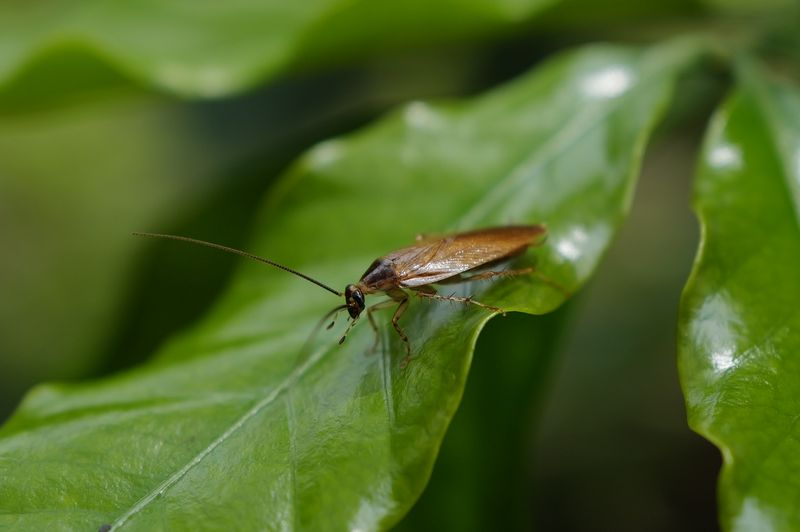
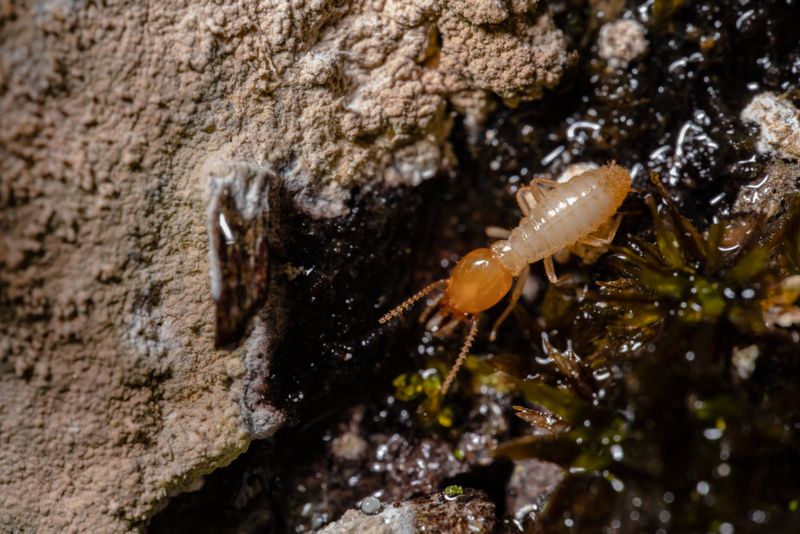


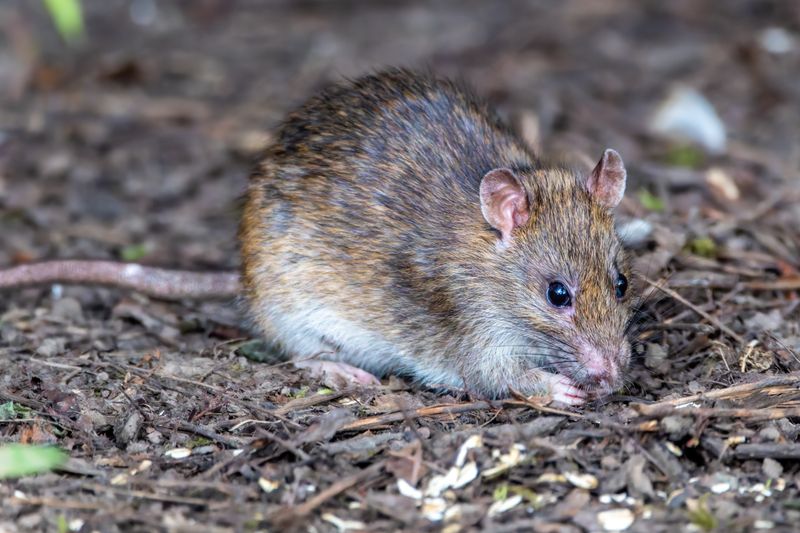
Book pest control for termites, bed bugs, mosquitoes and rodents. Termite work starts with an inspection, and mosquito spraying helps around homes in Lahore during the humid months. Treatments use chemicals, so a little preparation and care keeps your family safe.
How to choose the right pest control service
Which service to book
- Signs of termites, such as mud tubes on walls, hollow-sounding wood or damaged door frames: start with Termite Inspection to find how far the problem has spread. If treatment is needed, Termite Treatment (Drill & Inject) treats the affected areas by drilling small holes and injecting a termiticide.
- Itchy bites at night, small blood spots on sheets or tiny insects in mattress seams: Bed Bug Treatment.
- Mosquitoes in the house, lawn or around water: Mosquito & Dengue Spray.
- Rats or mice, droppings or chewed wires and food packets: Rodent Control.
Before you book
- Note where you have seen the pests and since when. Photos help.
- Check the service page for what is included, and ask whether a follow-up visit may be needed. Bed bugs and termites often need more than one round.
- Tell the provider if anyone at home is pregnant, has asthma or allergies, or if you have pets, birds or fish, so they can advise you on precautions.
How to prepare
- Put food, dishes, utensils and drinking water away in closed cupboards or cover them fully.
- Cover or move aquariums and bird cages out of the treated area, and switch off aquarium pumps if advised.
- For bed bugs, wash bedding and clothes in hot water where the fabric allows, dry them well, and reduce clutter around beds.
- For termites, clear access to the affected walls, wooden frames and cupboards.
- Plan for children, elderly family members and pets to stay out of the treated rooms for as long as the provider advises.
Safety
Pesticides can be harmful if breathed in, swallowed or left on skin. Do not buy strong chemicals and spray them yourself, and never use products meant for farms or outdoor use inside the house. After treatment, follow the provider's advice on how long to stay out, open windows to air the rooms, and wipe kitchen counters and dining tables before using them. Keep rodent baits and traps out of reach of children and pets. If anyone feels unwell after a treatment, move them to fresh air and seek medical help.
What a good job looks like
The provider explains what they found, which product they will use and what precautions to take. Treated areas are covered thoroughly, drilled holes for termite work are sealed afterwards, and you are told what to expect over the next few days, as some pests may be seen briefly before numbers drop.
Seasonal notes
Mosquito numbers usually rise during and after the monsoon, which is also when dengue becomes a concern. Spraying helps, but removing standing water matters just as much: empty and dry air cooler trays, flower pot dishes, old tyres, buckets and roof corners every few days, and keep water tanks covered. Termites tend to be more active in warm, damp weather, so inspecting wooden fittings after the rains is a good habit.
Frequently asked questions
Should I book termite inspection or treatment first?
Start with Termite Inspection. It shows where termites are active and how far they have spread, so the treatment can be planned for the right areas. If treatment is needed, you can then book Termite Treatment (Drill & Inject). The current price is shown on each service page.
Is pest control spray safe for children and pets?
Pesticides need care. Keep children, elderly family members and pets out of treated rooms for as long as the provider advises, cover or remove food and aquariums, and air the house well afterwards. Tell the provider in advance about anyone with asthma, allergies or pregnancy.
Does a mosquito spray stop dengue completely?
No spray can promise that. Spraying reduces mosquitoes, but you also need to remove breeding sites. Empty standing water in coolers, pots, buckets and tyres every few days, keep tanks covered and use nets or repellents. If someone has a high fever, see a doctor.
Will bed bugs go away after one treatment?
Sometimes, but bed bugs often need a follow-up, because eggs can survive the first round. Ask the provider whether a second visit is recommended. Washing bedding in hot water and reducing clutter around beds also helps.
How should I prepare for pest control?
Put away or cover food, dishes and drinking water, move pets and aquariums out of the area, and clear access to the places being treated. Plan for family members to stay out of treated rooms for the time the provider advises.
Can I buy pesticide and spray it myself?
It is not recommended. Strong pesticides can harm people and pets when used in the wrong amount or in closed rooms, and farm or outdoor products should never be used indoors. A trained provider can choose a suitable product and apply it with care.